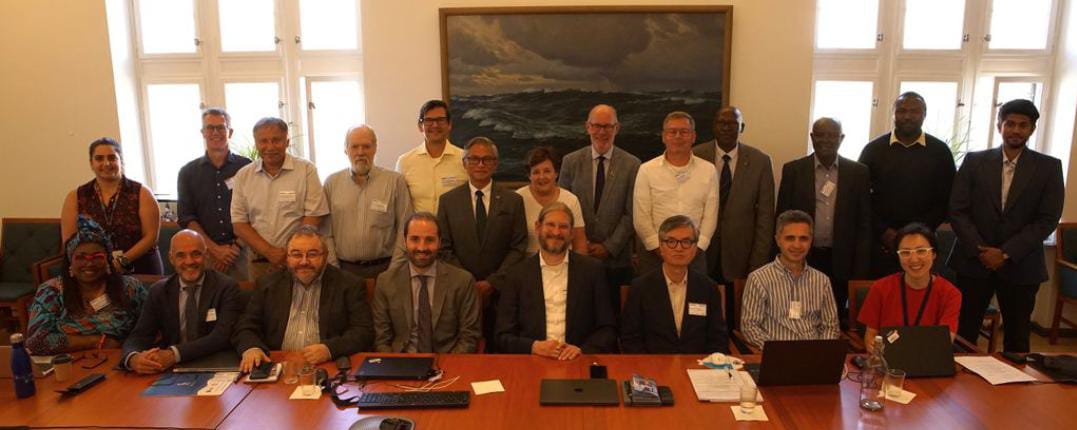
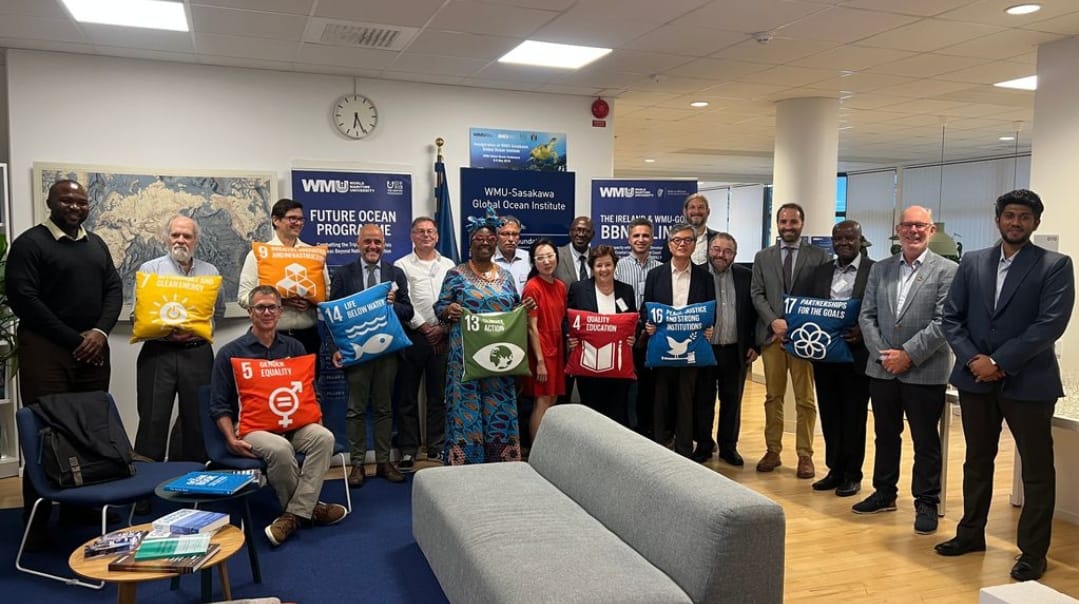
The academic from the Department of Oceanography at the University of Concepción (UdeC) and Director of the Interdisciplinary Center for Aquaculture Research (INCAR), Dr. Renato Quiñones Bergeret, together with his Spanish counterpart Dr. Rafael González-Quirós (IEO-CSIC), coordinated the work of 23 international experts (GoE) in drafting the second version of the Third World Ocean Assessment (WOA III) at the World Maritime University in Malmö, Sweden.
The WOA reports are a result of the World Summit on Sustainable Development that took place in Johannesburg, South Africa, in 2002. During this summit, states reached an agreement to create a process within the United Nations for carrying out periodic global assessments of the marine environment. This initiative aims to strengthen the scientific basis of oceanic knowledge for the design of local, regional, and global policies aimed at the conservation and management of the oceans.
The new assessment highlights the fragility of certain marine ecosystems around the world, as well as the challenges of achieving ocean sustainability. The assessment adopts a One Health approach that connects ecosystem health to human health and well-being. From this perspective, the assessment identifies the main threats for the oceans, including the impacts of climate change, biodiversity loss, ocean deoxygenation, overfishing, illegal fishing, general pollution, the reduction of Arctic Sea ice, and the invasion of non-native species. The latest findings indicate that the Sustainable Development Goals (SDGs) related to the ocean for this year have not been met, and it seems unlikely that those set for 2030 will be achieved either, due to major challenges such as a lack of governance, insufficient willingness to implement nature-based solutions, and a shifting geopolitical landscape.
The assessment also highlights the positive elements of global efforts for ocean conservation including the increase in protected marine areas, the recovery of certain fish stocks, the advancement of technologies that support ocean sustainability, and the progress made in ratifying the Agreement on the Conservation and Sustainable Use of Marine Biodiversity Beyond National Jurisdictions (BBNJ).